
Should I Remodel My Kitchen Before Selling? | Centennial CO
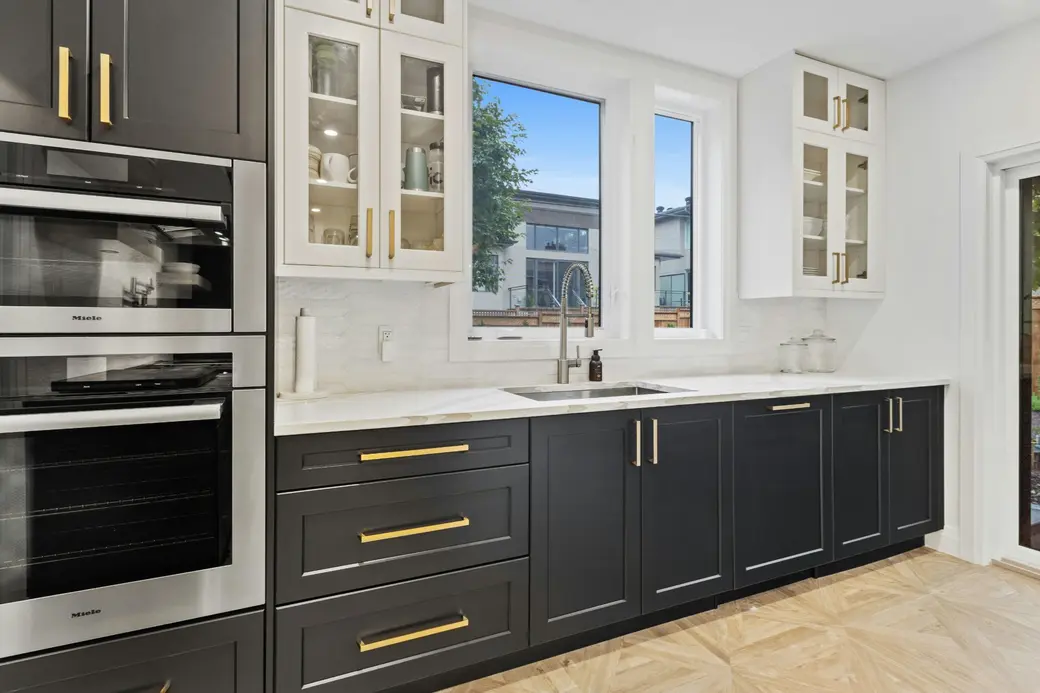
Should I Remodel My Kitchen Before Selling? A South Denver Homeowner's Guide
If you're thinking about selling and your kitchen hasn't been updated in 15 or 20 years, there's a good chance you've had this thought:
"Do I need to remodel the kitchen before I put the house on the market?"
It's understandable.
Buyers care about kitchens.
Updated kitchens photograph beautifully.
And we've all heard some version of:
"Kitchens sell houses."
But here's the part I wish more homeowners heard before calling a contractor:
A kitchen can help sell your house without requiring you to build someone else's dream kitchen.
For homeowners in Centennial, Greenwood Village, Lone Tree and throughout the South Denver Metro, I'd make this decision based on your home's value, competition, current kitchen condition and how soon you plan to sell.
Let's break it down.
First: A Dated Kitchen Isn't Necessarily a Bad Kitchen
There's an important difference between dated and dysfunctional.
Imagine a kitchen with:
-
Older but well-maintained cabinets
-
Older countertops
-
Functional appliances
-
Good storage
-
A workable layout
-
Clean flooring
-
No major damage
Is it the kitchen you'd design today?
Probably not.
But does that automatically mean you should spend $75,000 replacing it before selling?
Absolutely not.
A buyer can change countertops.
A buyer can paint cabinets.
A buyer can choose appliances.
And depending on your neighborhood and price point, buyers may actually prefer choosing those finishes themselves.
The question isn't whether a remodeled kitchen would look better.
Of course it would.
The question is:
Would it increase the sale price enough to justify what you spent?
Those are two completely different questions.
Why Kitchens Still Matter So Much
I don't want to minimize the importance of the kitchen.
Buyers absolutely pay attention to it.
Zillow's Consumer Housing Trends research found that 57% of buyers considered having their preferred style of kitchen very or extremely important when purchasing a home.
And there's another reason kitchens matter:
Photos.
Most buyers meet your home online.
A clean, bright, inviting kitchen can become one of the photos that gets someone excited enough to schedule a showing.
A dark, cluttered or heavily dated kitchen can have the opposite effect.
So yes, your kitchen matters.
But improving how buyers perceive the kitchen doesn't necessarily require replacing everything in it.
The $10,000 Refresh vs. the $75,000 Remodel
This is where I want sellers to slow down.
Let's say you have two options.
Option A: Major Remodel
You replace:
-
Cabinets
-
Countertops
-
Appliances
-
Flooring
-
Lighting
-
Sink and faucet
Maybe you move an island.
Maybe plumbing or electrical needs to move.
Suddenly you're spending tens of thousands of dollars.
Option B: Strategic Refresh
Instead, you:
-
Paint or reface cabinets if appropriate
-
Replace dated hardware
-
Update lighting
-
Replace the faucet
-
Paint the walls
-
Professionally clean everything
-
Replace a visibly dated appliance if necessary
-
Update countertops only if the existing ones are a significant objection
Same kitchen.
Completely different investment.
Current remodeling estimates consistently show why this distinction matters: smaller kitchen projects tend to recover a much larger percentage of their cost at resale than major renovations.
That's exactly why I don't want homeowners automatically jumping from "my kitchen looks dated" to "I need a new kitchen."
There are a lot of options in between.
Start With the Cabinets
Cabinets visually dominate most kitchens.
So before replacing them, ask:
Are the cabinet boxes actually bad or do they just look dated?
If they're solid and functional, you may have options.
Depending on the cabinets, you might consider:
-
Professional painting
-
Refacing
-
New hardware
-
Adjusting doors and drawers
-
Repairing damaged areas
I'm not suggesting every cabinet should be painted white.
In fact, I don't want you chasing trends simply because you're selling.
The goal is to make the kitchen feel clean, cohesive and appropriate for the home.
What About Countertops?
Countertops can dramatically change how a kitchen photographs.
But again, context matters.
If you have extremely dated or damaged counters and everything else in the kitchen is relatively current, replacing them may make sense.
But here's where homeowners can get trapped.
New countertops make the cabinets look older.
So you paint the cabinets.
Now the backsplash looks dated.
So you replace the backsplash.
Then the appliances don't match.
And suddenly your "countertop update" has become a $30,000 project.
That's called scope creep, and kitchens are exceptionally good at creating it.
Before changing the first thing, decide where you're going to stop.
Should I Replace the Appliances?
Not simply because they're a few years old.
If they're clean, functional and visually appropriate for the kitchen, they may be perfectly fine.
If one appliance is extremely dated, damaged or doesn't match anything else, that's worth discussing.
But installing an expensive professional appliance package immediately before selling?
I'd want a very good reason.
Your buyer may love it.
They may also have preferred something completely different.
What About the Kitchen Flooring?
This connects directly to our recent conversation about whether you should replace carpet or flooring before selling.
Look at:
-
Condition
-
Consistency
-
Damage
-
How it photographs
-
How it connects to adjacent rooms
If the flooring is clean and functional, don't automatically replace it.
If it makes an otherwise beautiful kitchen look neglected, then it's worth considering.
When I WOULD Consider a Larger Remodel
There are situations where a bigger project deserves consideration.
For example:
The kitchen is functionally obsolete.
Maybe the layout genuinely doesn't work.
There's significant damage.
Water damage, broken cabinetry or other issues change the conversation.
The kitchen is dramatically below the neighborhood standard.
This is important.
If you're selling in an area where virtually every comparable home has a beautifully updated kitchen and yours is substantially behind, buyers may discount the house accordingly.
The numbers actually support it.
This is the big one.
Suppose comparable homes with original kitchens are selling around one price point while updated homes consistently sell significantly higher.
Now we can evaluate whether the difference justifies the renovation.
That's a math problem, not a decorating decision.
Centennial vs. Greenwood Village vs. Lone Tree
This is where local knowledge becomes much more useful than a national remodeling checklist.
A kitchen that is perfectly appropriate for a $700,000 Centennial home may not meet buyer expectations in a $2 million Greenwood Village property.
And a Lone Tree buyer comparing newer luxury properties may have another set of expectations entirely.
That's why I want to see:
What are buyers actually choosing in your neighborhood?
Not:
What kitchen is trending on Instagram?
Look at the homes you're competing against.
What did they sell for?
What condition were their kitchens in?
Did updated homes actually command enough of a premium to justify the expense?
Those answers should influence your renovation budget.
Don't Remodel for an Imaginary Buyer
This may be the biggest point in this entire article.
Homeowners sometimes spend tens of thousands trying to predict what a buyer will want.
But consider this:
You choose white cabinets.
They wanted wood.
You choose quartz.
They preferred granite.
You install pendant lights.
They hate the style.
You choose the backsplash.
It's the first thing they plan to remove.
You've now spent a tremendous amount of money making design decisions for someone you've never met.
That's why I often prefer clean, functional and well-presented over highly renovated specifically for resale.
What Would I Do With $10,000?
Every kitchen is different, but if I had a limited pre-sale budget, I'd investigate the highest-impact items first.
Potentially:
-
Deep cleaning
-
Paint
-
Cabinet hardware
-
Lighting
-
Faucet
-
Cabinet touch-ups or refinishing
-
Small repairs
-
Countertops only if they're a major objection
And then I'd stop.
Step back.
Photograph it.
Look at it like a buyer.
You may be surprised how different the room feels.
My Kitchen-Before-Selling Test
Before you hire a contractor, answer these five questions:
1. Is the kitchen functional?
If yes, we're starting from a much better position.
2. Is it dated or actually damaged?
Those require different solutions.
3. What do comparable homes offer?
This should heavily influence the decision.
4. How soon are you selling?
If you're selling in six months, I'd evaluate the renovation very differently than if you're staying another five years.
5. What is the realistic difference in sale price?
This is the question that matters.
If spending $60,000 could reasonably create only $25,000 in additional value, we have our answer.
So, Should You Remodel Your Kitchen Before Selling?
My general answer:
Functional but dated kitchen?
Consider refreshing it, not gutting it.
Solid cabinets with dated finishes?
Explore paint, refacing or hardware before replacement.
Damaged or severely outdated kitchen?
Let's compare the renovation cost with the likely difference in sale price.
Already attractive and functional?
Clean it beautifully and leave it alone.
Planning to stay another five or ten years?
That's a different conversation. Now your enjoyment of the kitchen becomes part of the return.
And that's exactly why all of these decisions connect.
We've been working through:
Should I stay, renovate or move?
Then:
Which improvements actually add value?
What should I fix before selling?
And now:
Should I remodel the kitchen?
The answer isn't automatically yes.
The answer isn't automatically no.
It's:
Let's look at the numbers first.
If you own a home in Centennial, Greenwood Village, Lone Tree or elsewhere in the South Denver Metro and you're thinking about remodeling before selling, I'd be happy to walk through your home before you start spending money.
Sometimes I'll recommend making the improvement.
Sometimes we'll find a much less expensive way to solve the problem.
And sometimes I'll tell you:
Let the next homeowner remodel it exactly the way they want.
Stay. Renovate. Move.
The right decision starts with understanding your options.
Devin @ The W Real Estate Group
Categories
Recent Posts







GET MORE INFORMATION