
Should I Paint My House Before Selling?
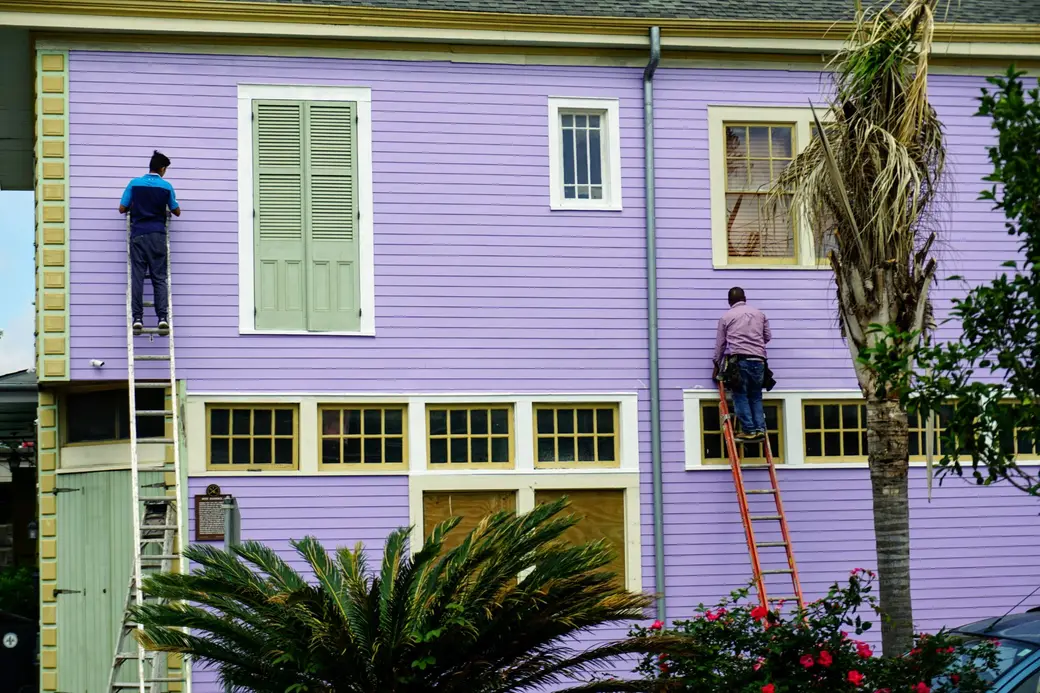
Check out these links to other questions homeowners are asking:
Should I stay, renovate or move? Which home improvements actually add value? What should I fix before selling? Should I replace the carpet?
Should I Paint My House Before Selling?
If you're getting ready to sell your home, painting is probably somewhere on your list.
Maybe the walls are a little scuffed.
Maybe the kids' bedrooms still have colors they picked ten years ago.
Maybe you've heard that buyers want everything neutral.
Or maybe you're looking around a perfectly nice house wondering:
Do I really need to spend thousands of dollars painting before I sell?
My answer?
Not necessarily.
Paint can be one of the simplest ways to make a home feel cleaner, fresher and more current. But that doesn't mean every seller should automatically repaint every room.
For homeowners in Centennial, Greenwood Village, Lone Tree and throughout the South Denver Metro, here's how I'd decide where painting is worth the money and where I'd leave things alone.
When I Would Paint Before Selling
There are a few situations where I'd strongly consider it.
1. Your walls are noticeably worn
Look for:
-
Scuffs
-
Chips
-
Stains
-
Nail holes
-
Poorly matched touch-ups
-
Peeling paint
-
Heavily marked baseboards and trim
One scuff isn't going to cost you a sale.
But an entire house full of worn walls can make buyers feel like the home hasn't been maintained.
Fresh paint can change that perception very quickly.
2. You Have Highly Personalized Colors
Love your bright red dining room?
Great.
But the next buyer may not.
The same applies to very bright children's rooms, intense accent walls or unusual color combinations.
This doesn't mean every wall needs to become white.
In fact, current buyer research suggests that's outdated advice.
2026 Paint Color Analysis found that certain warmer, nature-inspired and more expressive colors actually performed better with surveyed buyers than plain white in several rooms.
The goal isn't necessarily to eliminate color.
It's to eliminate distraction.
You want buyers looking at the room not thinking about how quickly they can repaint it.
3. Your Home Feels Dark
This one is particularly important when preparing a home for photography.
Some homes naturally receive less light.
Combine that with darker walls, heavy window coverings and dark furniture, and the house can photograph significantly darker than it feels in person.
Paint may help.
But before painting an entire house, I'd also look at:
-
Window coverings
-
Light bulbs
-
Light fixtures
-
Furniture placement
-
Landscaping blocking windows
Sometimes the wall color isn't actually the biggest problem.
Should I Just Paint Everything White?
Not automatically.
For years, sellers were told:
Paint everything white or gray.
Buyer preferences continue to evolve.
2026 research of more than 4,400 recent and prospective buyers found strong responses to colors including sage green, pale blue, charcoal gray and even chocolate brown in certain rooms.
That doesn't mean I'd recommend painting every Centennial house chocolate brown before listing.
Far from it.
Those results tell us something more useful:
Buyers aren't necessarily looking for a completely colorless house.
They're looking for a home that feels intentional, current and inviting.
What Colors Would I Choose?
This depends on the home.
The flooring matters.
Cabinet colors matter.
Countertops matter.
Natural light matters.
The style and price point of the home matter.
In many South Denver homes, I'd still lean toward warm, broadly appealing colors that complement the existing finishes rather than chasing whichever paint shade happens to be trending this year.
Remember:
We're preparing your home for the market.
We're not designing someone else's dream house.
Which Rooms Should I Paint First?
If the budget doesn't allow for the entire house, prioritize.
I'd generally start with:
The Entry
This establishes the buyer's first impression inside the home.
Main Living Areas
These spaces usually receive the most attention in listing photos and showings.
The Kitchen
Not necessarily because it needs a dramatic color, but because buyers pay close attention to kitchens.
Primary Bedroom
You want this room to feel calm, clean and comfortable.
Any Obviously Worn or Highly Personalized Room
Sometimes one bright bedroom is the only room that actually needs paint.
Fix the objection rather than automatically painting everything.
Don't Forget the Trim and Doors
Here's something homeowners sometimes miss.
Freshly painted walls next to badly scuffed baseboards can make the trim look even worse.
Look at:
-
Baseboards
-
Door frames
-
Interior doors
-
Window trim
-
Stair railings
Sometimes refreshing these areas makes a bigger difference than repainting walls that are already perfectly acceptable.
What About Exterior Paint?
This is a different conversation because exterior paint affects both appearance and perceived maintenance.
I'd take a closer look if you see:
-
Peeling
-
Fading
-
Exposed wood
-
Cracking
-
Significant weathering
-
Poorly matched repairs
Colorado sun, snow, hail and temperature swings can be hard on exterior finishes.
If the exterior clearly needs attention, buyers may not see it simply as a cosmetic issue.
They may see another expense waiting for them after closing.
On the other hand, I wouldn't automatically repaint an exterior that's already in good condition simply because you're selling.
Should I Paint It Myself?
Possibly.
If you're a good painter.
A clean DIY paint job can certainly save money.
A bad one can create another problem.
Buyers notice:
-
Paint on ceilings
-
Roller marks
-
Paint on trim
-
Uneven coverage
-
Poor patching
-
Messy edges
If you're preparing a higher-end home in Greenwood Village or Lone Tree, workmanship can become even more important because buyer expectations tend to rise with the price point.
The Question Isn't “Will New Paint Increase My Home's Value?”
Here's how I'd frame it instead:
Will the current paint give buyers a reason to discount the home?
That's a much better question.
If your walls already look clean, current and well maintained, spending thousands repainting them may accomplish very little.
If your walls make the entire house feel tired?
Paint could be one of the smartest places to spend your preparation budget.
Recent 2026 seller guidance reaches a similar conclusion: painting can make a meaningful difference when the current condition needs it, but a whole-house repaint isn't automatically necessary when the home already presents well.
My Paint-Before-Selling Test
Before calling a painter, ask:
1. Are the walls damaged or noticeably scuffed?
If yes, address them.
2. Are any colors likely to distract a large percentage of buyers?
Consider repainting those rooms.
3. Does the house photograph dark or dated?
Determine whether paint is actually the cause.
4. Is the trim in worse condition than the walls?
Don't overlook it.
5. How does your home compare with the competition?
This one matters most.
Your Competition Should Help Make the Decision
A home doesn't sell in isolation.
If you're selling in Centennial, buyers are going to compare your home with other Centennial homes in a similar price range.
The same is true in Greenwood Village and Lone Tree.
If competing homes look fresh and move-in ready while yours looks tired, painting may help close that gap.
But if your home already presents beautifully?
Keep your money.
This is exactly why I don't love generic pre-listing checklists.
Your preparation strategy should be based on your house, your neighborhood, your price point and the homes you're actually competing against.
So, Should You Paint Before Selling?
Here's my general answer:
Clean, neutral/current paint in good condition?
Probably leave it alone.
Scuffed or damaged walls?
Paint or touch them up.
Highly personalized colors?
Consider repainting.
Dark rooms that don't photograph well?
Let's determine whether paint would help.
Peeling or weathered exterior paint?
Definitely investigate it.
And most importantly:
Don't paint the entire house simply because someone told you that's what sellers are supposed to do.
This article is part of a bigger question I've been helping South Denver homeowners answer:
Should I stay, renovate or move?
Once moving becomes the likely answer, the next decisions are:
Which home improvements actually add value?
What should I fix before selling?
Should I replace the carpet?
And now:
Should I paint?
Those decisions should work together.
Before you spend $5,000, $10,000 or more getting a home ready for the market, understand what buyers are actually going to care about.
If you own a home in Centennial, Greenwood Village, Lone Tree or the surrounding South Denver Metro, I'm happy to walk through it with you and help separate the projects I'd consider doing from the ones I'd skip.
Sometimes I'll recommend painting.
Sometimes I'll recommend touching up a few rooms.
And sometimes I'll tell you:
Don't spend the money.
Stay. Renovate. Move.
The right decision starts with understanding your options.
Devin @ The W Real Estate Group
Categories
Recent Posts





GET MORE INFORMATION