
What Should I Fix Before Selling My House?

What Should I Fix Before Selling My House?
RELATED BLOGS:
Which Home Improvements Actually Add Value
If you're thinking about selling your home, it's easy to start seeing projects everywhere.
The carpet looks worn.
The paint could use a refresh.
The kitchen isn't as updated as the house down the street.
There's that dripping faucet you've been meaning to fix for three years.
Suddenly your simple plan to sell the house starts looking like a $75,000 renovation.
Don't start there.
One of the most common questions I hear from homeowners is:
"What should I actually fix before I sell?"
For homeowners in Centennial, Greenwood Village, Lone Tree and the South Denver Metro, I like to separate potential projects into three categories:
-
Fix it.
-
Consider fixing it.
-
Probably leave it alone.
Here's how I would think about your house.
FIX IT: Problems That Could Affect the Sale
Start with things that could become bigger problems during an inspection or affect a buyer's confidence in the home.
These aren't necessarily the fun projects.
They're often the important ones.
Think about:
-
Active plumbing leaks
-
Electrical safety issues
-
Roof leaks or known damage
-
Broken windows
-
Unsafe railings or stairs
-
HVAC systems that aren't functioning properly
-
Sewer or drainage problems
-
Significant water intrusion
-
Structural concerns
If you already know about a significant issue, ignoring it doesn't necessarily make it disappear.
A buyer may discover it during their inspection, except now you're dealing with it while under contract and on a deadline.
That can put you in a very different negotiating position.
Colorado homeowners should pay particular attention to the roof.
Between hail, wind and Colorado weather, roof condition deserves special attention before selling.
The question isn't automatically:
"Do I need a new roof?"
It's:
"Do I know what condition my roof is actually in?"
Those are very different questions.
Before listing, I'd rather understand the situation than discover it halfway through a transaction.
FIX IT: Small Problems Buyers Notice Immediately
Here's where sellers sometimes underestimate buyers.
A dripping faucet probably isn't going to stop someone from buying a house.
Neither is a loose doorknob.
But when buyers see five or six little problems during a showing, they can start thinking:
"If these are the things I can see, what are the things I can't see?"
That's why I'd take care of inexpensive, visible maintenance items such as:
-
Loose door handles
-
Dripping faucets
-
Burned-out light bulbs
-
Doors that stick
-
Damaged outlet covers
-
Loose cabinet hardware
-
Missing caulk
-
Small drywall damage
-
Peeling or badly scuffed paint
-
Broken blinds
-
Obviously damaged trim
None of these are exciting.
That's exactly the point.
You're not remodeling the house.
You're removing reasons for buyers to question how it has been maintained.
CONSIDER IT: Paint
Related Blog: Should I Paint My House Before Selling?
Paint deserves its own category because it can completely change how a home feels without changing the home itself.
If your walls are heavily scuffed, damaged, extremely dark or very personalized, fresh paint may be worth considering.
It can make a home feel:
-
Cleaner
-
Brighter
-
Larger
-
Better maintained
-
More current
But I wouldn't automatically repaint every room simply because you're selling.
If the existing paint is neutral, clean and in good condition, your money may be better spent elsewhere.
CONSIDER IT: Carpet and Flooring
This is one of the questions I get most often:
Should I replace the carpet before selling? <--------Click the Link
The answer depends heavily on its condition.
If the carpet is relatively current and just needs cleaning, professional cleaning may be enough.
If it's badly stained, worn, damaged or carrying noticeable odors, that's different.
Buyers notice flooring immediately.
Interestingly, replacing flooring doesn't always mean you'll receive every dollar back in a higher sales price. Sometimes its real value is preventing buyers from mentally discounting the house because it feels like another project they'll have to tackle after closing.
We'll go much deeper into this question in my next article.
CONSIDER IT: Curb Appeal
You don't need to hire a landscape architect before selling your house.
But you should look at your home through a buyer's eyes.
Stand across the street and ask:
"Does this home look cared for?"
Consider:
-
Trimming overgrown bushes
-
Removing dead plants
-
Cleaning walkways
-
Touching up peeling exterior paint
-
Cleaning the front door
-
Replacing a broken exterior light
-
Fresh mulch where appropriate
-
Cleaning up leaves and debris
-
Improving tired areas of the lawn
The goal isn't perfection.
It's confidence.
You want the buyer's first impression to be:
"This house has been taken care of."
PROBABLY SKIP IT: The $75,000 Kitchen Remodel
This is where I want homeowners to be careful.
If you're planning to stay in your home for another ten years and you've always wanted a beautiful new kitchen, that's one conversation.
If you're planning to sell six months from now, that's another.
Current renovation research continues to show that many major remodeling projects don't return their full cost at resale.
That doesn't mean kitchens don't matter.
They absolutely do.
It means a refresh may make more sense than a complete remodel.
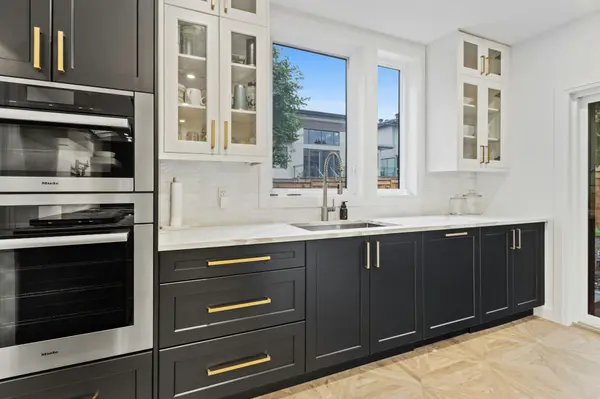
Instead of replacing everything, consider whether the kitchen simply needs:
-
Updated lighting
-
New hardware
-
Fresh paint
-
Cabinet touch-ups
-
A backsplash
-
Countertop replacement
-
A deep cleaning
Spend money where buyers will notice it without automatically creating your dream kitchen for someone else.
PROBABLY SKIP IT: Highly Personal Improvements
Be cautious about making expensive improvements based primarily on your own taste immediately before selling.
That could include:
-
Highly customized built-ins
-
Luxury smart-home systems
-
Elaborate specialty rooms
-
Very bold finishes
-
Expensive landscaping features
-
Major additions
A buyer may love them.
But they may not pay enough more for the house to justify what you spent.
The $5,000 Question
Here's an exercise I like for homeowners.
Imagine you only had $5,000 to prepare your home for sale.
Where would you put it?
I'd generally start with:
1. Cleaning and decluttering
2. Visible maintenance
3. Paint where needed
4. Curb appeal
5. Flooring issues that create an obvious objection
Notice what's missing?
A major remodel.
That's intentional.
Current 2026 guidance continues to favor inexpensive, highly visible condition improvements over large pre-sale renovations in many situations.
But Every Neighborhood Is Different
This is where generic internet advice starts to break down.
What buyers expect from a home in one Centennial neighborhood may be very different from what they expect in Greenwood Village or Lone Tree.
Price point matters.
Neighborhood matters.
Comparable homes matter.
If every competing home has an updated kitchen and yours hasn't been touched in 25 years, we need to consider that.
If half of the comparable homes are also somewhat dated, spending $100,000 to compete with them may make absolutely no sense.
Your house doesn't have to be perfect.
It needs to be positioned correctly against the homes buyers will compare it to.
Before You Spend the Money
This connects directly to something I wrote about recently:
Should you stay, renovate, or move?
And if you've decided you're likely going to move:
Which home improvements actually add value?
The next question is deciding which specific repairs make sense for your house.
Before you hire contractors or start tearing things apart, I'd want to know:
-
What is the home worth today?
-
What are updated homes nearby actually selling for?
-
What condition are your direct competitors in?
-
What improvements will buyers expect?
-
Which projects are unlikely to return the investment?
Sometimes the answer is to make the repair.
Sometimes it's to offer a credit.
Sometimes it's to adjust the price.
And sometimes the smartest answer is:
Don't touch it.
That's why I believe homeowners should make these decisions before the "For Sale" sign ever goes in the yard.
If you own a home in Centennial, Greenwood Village, Lone Tree or the surrounding South Denver Metro and you're wondering what you should—and shouldn't—fix before selling, I'm happy to walk through it with you.
No pressure to list.
Sometimes the most valuable real estate advice I can give someone is telling them not to spend the money.
Stay. Renovate. Move. Start by understanding your options.
Devin @ The W Real Estate Group
Categories
Recent Posts







GET MORE INFORMATION