
Why Isn't My House Selling? 7 Reasons in Today's Denver Market
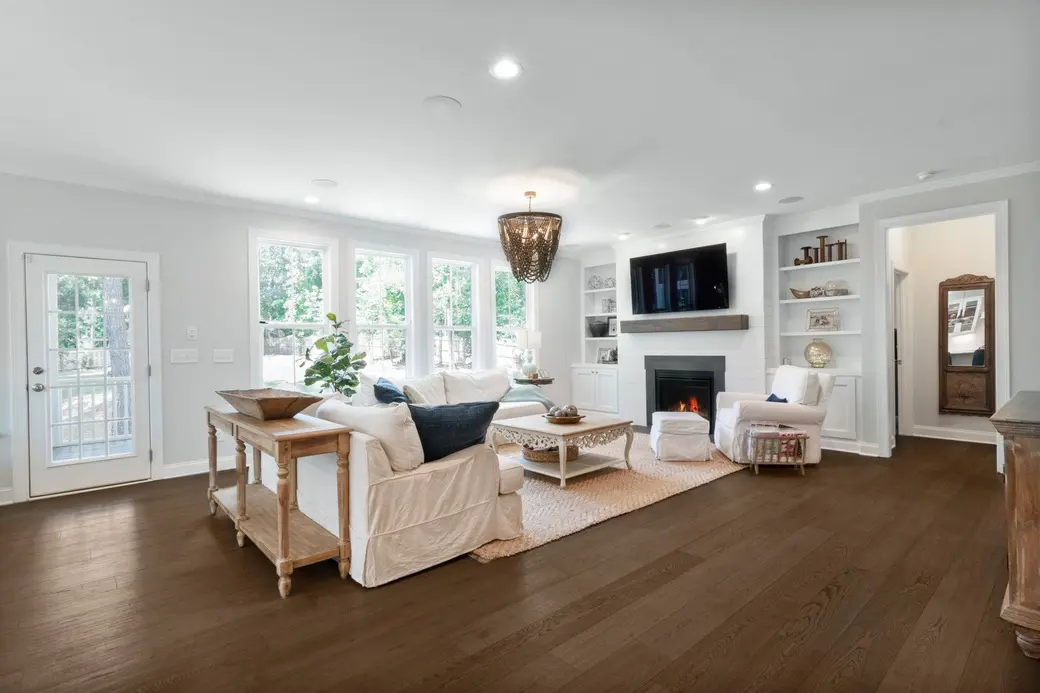
Your house went live.
The photos looked great.
The first weekend felt busy.
And then…
Quiet.
A couple of showings. No offers. Maybe a "we'll keep it in mind."
Now the questions start.
Is it the price?
Is it the house?
Is it the market?
Is it me?
If your home is sitting right now, you're not alone. And it doesn't automatically mean something is wrong with your house.
But it does mean something isn't lining up yet.
Here's how I'd figure out why your house isn't selling, and what to do about it, with homeowners in Centennial, Greenwood Village, Lone Tree, Littleton, Highlands Ranch, Parker, Castle Rock and throughout the South Denver Metro.
The Short Answer
When a house sits in today's Denver market, it's almost always one of three things:
Price. It's priced for the market we had, not the market we have.
Presentation. Online or in person, it isn't winning buyers over.
Access and strategy. It's hard to see, hard to finance, or nobody has adjusted the plan.
Most of the time, price is the biggest lever.
But not always.
And cutting the price without knowing why buyers are passing can leave money on the table.
First, What's the Denver Market Doing?
Let's start with the honest backdrop.
According to the Denver Metro Association of Realtors' September 2026 report (released in early October):
- Metro Denver ended September with 13,567 active listings, the highest September inventory since 2011
- That's 4.76 months of inventory
- Only 2,849 homes closed in September, the fewest September closings in DMAR's records going back to 2008
- The median home spent 32 days in the MLS, up from 27 in August
- Detached homes had a median of 28 days; condos and townhomes had a median of 44 days
Redfin also found that 30.9% of Denver home sellers cut their asking price during the four weeks ending September 20. That was the highest share of any of the 50 largest U.S. metros, compared with about 21% nationally.
And mortgage rates went up, not down. Freddie Mac's 30-year fixed average was 7.40% the week of October 15, compared with 6.27% a year earlier.
So if your house is sitting, part of it is the market.
But here's the thing.
Homes are still selling.
The ones that sell fast are getting a few things right.
Let's go through what usually goes wrong.
Reason 1: It's Priced for the Market You Remember
This is the big one.
A lot of sellers price off what the neighbor got in 2022.
Or what a Zestimate said last spring.
Or what they need to net to make the next move work.
Buyers don't care about any of those.
They care about what else they can buy for the same money this week.
DMAR committee member Brad Colburn put it simply in the October report: "In today's market, pricing for the future—not the past—is critical."
And the cost of missing is real.
In The Denver Gazette, Re/Max broker Landin Smith described two very different seller experiences:
- Homes that had price cuts took an average of 47 days to find a buyer and closed at about 92% of their original list price
- Homes with no price changes typically sold within a week, at 99.45% of their original list price
A separate October analysis of September REcolorado closings by Cooper Thayer found nearly half of closed listings (48.2%) had a price reduction along the way, and those homes sold at a median 93.1% of their original asking price.
One more thing to know.
You'll hear that Denver homes sell for about 98% of list. DMAR's close-price-to-list-price ratio was 98.45% in September.
But that compares the sale price to the most recent list price, not the original one. DMAR's Market Trends chair confirmed that to The Denver Gazette.
So a home that started high, cut twice and then sold "at 98% of list" may have given up a lot more than 2%.
How to tell if this is you: your listing gets views and saves online, but few showings. Or you're getting showings, and buyers keep choosing the house down the street.
I'll dig into what price cuts really cost sellers in the next post in this series.
Reason 2: You're Competing With More Homes Than You Think
In 2021, buyers took what they could get.
In 2026, buyers have choices.
Remember those 13,567 active listings?
Your buyer isn't comparing your house to your dream of your house. They're comparing it to the five other homes they toured on Saturday.
And the competition isn't even across the board.
DMAR said inventory growth was concentrated in attached homes. Condo and townhome listings were up 9.77% from a year earlier, compared with 1.06% for detached homes. Condos and townhomes had 7.21 months of inventory.
New construction is in the mix too. In Cooper Thayer's analysis of September REcolorado closings, homes built in 2026 carried significantly larger concessions than older homes. That's competition a resale seller has to price against.
Every neighborhood is its own market.
A two-story in Highlands Ranch, a ranch in Centennial and a townhome in Lone Tree can be telling three completely different stories right now.
How to tell if this is you: pull up every active listing a buyer would see in your price range and area. Be honest. Would you pick yours?
Reason 3: The Online Listing Isn't Doing Its Job
Your first showing doesn't happen at your front door.
It happens on a phone.
If the photos are dark, the first image is the garage, or the description reads like a parts list, buyers keep scrolling.
They never book the showing.
That matters more now, because showings are scarce. In the same Denver Gazette story, Smith said new listings are averaging around 4.7 showings per home, compared with 17 in 2021.
When you only get a handful of chances, every one counts.
A few things I'd look at:
- Is the lead photo the best room or best angle of the house?
- Are the photos bright, straight and professional?
- Does the description tell buyers what it feels like to live there?
- Are the details right (bedrooms, baths, square feet, HOA, school info)?
- Is the price sitting just above a common search cutoff, so buyers filtering by price never see it?
How to tell if this is you: low views and low saves compared with similar listings.
Reason 4: It's Not Winning the "Beauty Contest"
Here's the quote from that Gazette story that stuck with me:
"You have to win the beauty contest and have the price right."
Smith said he's had great listings with lots of upgrades sit because they were overpriced. Price and presentation work together.
Buyer taste is shifting too. DMAR's October report noted that Millennial buyers are moving away from oversized lawns, formal dining rooms and plush carpet. They're favoring flexible spaces, low-maintenance outdoor areas and homes that feel practical rather than showy.
That doesn't mean you need to remodel.
It usually means:
- Declutter and depersonalize
- Fresh, neutral paint where it's tired
- Fix the small stuff a buyer will notice
- Show every room with a clear purpose (office, guest room, gym)
- Clean like the inspector is coming tomorrow
And here's a fall-specific one.
If you're a Denver Water customer, lawn watering and all spray irrigation have been prohibited since October 1 under the drought restrictions. Other South Denver water providers have their own rules, so check yours.
So curb appeal this fall is less about green grass and more about tidy beds, fresh mulch, a clean entry, swept walks and good exterior lighting.
If you're deciding what's worth doing, here's what's worth fixing before you list and how much to spend getting your house ready to sell.
How to tell if this is you: buyers are coming through, but the feedback keeps mentioning condition, updates, smells, clutter or "it needs work."
Reason 5: The Payment Doesn't Work for Buyers
Most buyers don't shop by price.
They shop by monthly payment.
And that payment just got more expensive.
Redfin estimated the typical U.S. homebuyer's monthly payment at $2,777 in the four weeks ending October 11, at a 7.4% mortgage rate. Outside of the week before, that was the highest in Redfin's records.
In metro Denver, Redfin found pending sales were down 19.3% from a year earlier over the same four weeks.
So if your house is priced at the top of what buyers can afford, the payment may be what's stopping them.
Not the house.
That's where concessions come in.
DMAR's October report said rate buydowns, seller-paid concessions and adjustable-rate loans are "all on the negotiating table right now," and that sellers who build those options into their pricing strategy "will find a ready audience."
In the Gazette, Smith estimated around 66% of listings are showing some concessions now, compared with about 37% two years ago. Cooper Thayer's REcolorado analysis found 63.6% of September transactions included seller concessions.
Sometimes a credit toward the buyer's rate does more for them than the same dollars off the price.
Sometimes it doesn't.
I'll break down when a concession or rate buydown makes sense later in this series.
How to tell if this is you: buyers like the house, but their lender's numbers don't work. Or they ask about credits before they ask about anything else.
Reason 6: It's Hard to Show
This one sounds small.
It isn't.
If a buyer's agent can't get in, the buyer moves on to the next house.
Things that quietly kill showings:
- Narrow showing windows or lots of "no" days
- Long notice requirements
- Tenants or occupants who aren't on board
- Pets that need special arrangements
- Lockbox or access instructions that are confusing
With only a few showings to work with, you can't afford to turn one away.
How to tell if this is you: showing requests are coming in, but a lot of them get declined or rescheduled.
Reason 7: Nobody's Adjusting the Plan
A listing isn't "set it and forget it."
It's a strategy.
And strategy needs data.
Here's what I'd track every week:
- Online views and saves
- Showings booked
- Showing feedback
- New competition and price changes nearby
- Homes that went under contract instead of yours, and why
Feedback is a big one right now. DMAR's October report said showing feedback is "a hot topic," that many agents don't provide it, and that "most listing agents want it, and sellers need it."
So ask for it. Follow up. Look for patterns.
If three buyers say the same thing, believe them.
And if the data says it's price, the sooner you adjust, the better. Waiting usually costs more than acting.
How to tell if this is you: your home has been on the market for a few weeks and nothing has changed. Not the price, not the photos, not the plan.
What I'd Look At First
Here's a simple way to match the symptom to the fix:
| What you're seeing | What it usually means | Where I'd start |
|---|---|---|
| Few views or saves online | Buyers aren't clicking | Photos, lead image, description, price bracket |
| Lots of views, few showings | Buyers see it but pass | Price compared with the competition, then photos |
| Showings, but no offers | Buyers see it in person and pass | Price, condition and the showing feedback |
| Offers, but the payment doesn't work | Financing is the hurdle | Concessions or a rate buydown, then price |
| Showing requests declined | Access problem | Open up showing windows and simplify access |
| Weeks on market, no changes | No strategy adjustment | Review the data and adjust |
What About Just Waiting for Spring?
Fair question.
DMAR noted that active listings typically taper through the fourth quarter and some sellers pull their homes for the holidays. Buyers who stay in the market this time of year face less competition than at any other time of year.
That cuts both ways.
Fewer buyers. But fewer homes for them to choose from, too.
Whether to stay on the market, take a break or relist in the new year depends on your home, your timeline and your numbers. I'll cover that one in its own post later in this series.
Do You Even Need to Sell Right Now?
This is the question nobody asks.
If your move is flexible, maybe the better answer is to stay a little longer.
Or stay and renovate.
If you're weighing it, start with Should I Stay, Renovate or Move? And before you put money into the house, here's what home improvements actually add value.
If you're trying to sell one home and buy the next, timing matters even more. Here's how to think about whether to buy before you sell.
And if you want to know what you'd actually walk away with after costs and concessions, the net proceeds checklist in Does Downsizing Actually Save Money? works for any move, not just downsizing.
Free: Fall 2026 South Denver Seller's Guide
Planning to list, or relisting after your home came off the market? My free Fall 2026 Seller's Guide walks through prep, pricing, timing and what to expect in today's market.
Want to know where your home really stands? Ask me for a free home value and pricing analysis. No pressure, no sign in the yard. Call or text 720-935-7537.
Already listed with another agent? Bring these seven questions to them. They know your home best.
Frequently Asked Questions
Why isn't my house selling in Denver right now?
Usually it's price, presentation or access. Metro Denver had 13,567 active listings and 4.76 months of inventory in September 2026, per DMAR, so buyers have choices. Homes that are priced for today's competition, look great online and in person, and are easy to show still sell. Overpriced homes tend to sit.
How long does it take to sell a house in Denver right now?
In DMAR's September 2026 report, the median home spent 32 days in the MLS. Detached homes had a median of 28 days, and condos and townhomes had a median of 44 days. Your neighborhood, price point and condition can push that shorter or longer, so look at recent sales near you.
How do I know if my house is overpriced?
Watch the pattern. Plenty of online views but few showings, or showings with no offers, usually points to price. Compare your home with every active listing and recent sale a buyer would see in your area and price range. If buyers keep choosing other homes, the market is telling you something.
Should I lower my price or offer concessions?
It depends on what's stopping buyers. If buyers are passing on the house, price is often the fix. If buyers like it but their payment doesn't work, a concession toward closing costs or a rate buydown may help more. DMAR says buydowns and seller concessions are on the negotiating table right now.
Should I take my house off the market for the holidays?
Some sellers do, and DMAR notes active listings typically taper through the fourth quarter. But buyers who keep shopping then face less competition. Whether to stay listed, pause or relist in the new year depends on your timeline, your home and your numbers.
Selling When Homes Are Sitting: A South Denver Seller's Series
- Why Isn't My House Selling? 7 Reasons in Today's Denver Market (you're reading it)
- Price It Right the First Time: What Price Cuts Really Cost Sellers (coming soon)
- Should I Offer Concessions or a Rate Buydown to Sell My Home? (coming soon)
- Should I Pull My Home Off the Market for the Holidays? (coming soon)
Let's Figure Out What's Going On
If you're in Centennial, Greenwood Village, Lone Tree, Littleton, Highlands Ranch, Parker, Castle Rock or anywhere in the South Denver Metro, I'm happy to walk through it with you.
What the competition looks like.
What buyers are actually responding to.
What your home could realistically net.
No pressure.
Just a clear picture.
Your house isn't broken.
The plan just needs to match the market.
Stay. Renovate. Move.
Devin @ The W Real Estate Group
This article is for general information only and isn't legal, tax, lending or financial advice. Market figures are from the sources below as of October 2026 and will change; neighborhood conditions vary. Talk with a lender about financing options like rate buydowns. Water-use rules vary by provider; check yours. If your home is currently listed with another brokerage, please talk with your listing agent first.
Sources
- Denver Metro Association of Realtors, Market Trends Report, October 2026 (September 2026 data) (released Oct. 2, 2026)
- The Denver Gazette, Denver real estate numbers show drop in home prices (Oct. 6, 2026)
- Redfin, Price-Drop Rate Ticks Up to Record September Rate Amid Strong Buyer's Market (Sept. 30, 2026)
- Redfin, Housing Market Update: Asking Prices Fall For the First Time Since March (Oct. 15, 2026)
- Freddie Mac, Primary Mortgage Market Survey (Oct. 15, 2026)
- Cooper Thayer, The Denver Housing Market Is Stranger Than You Think: 10 Surprising Findings from September 2026 (Oct. 12, 2026; analysis of REcolorado MLS data)
- Denver Water, Drought (lawn watering and spray irrigation prohibited beginning Oct. 1, 2026)
Categories
Recent Posts






GET MORE INFORMATION